
How to Declutter Sentimental Items (Without Guilt or Regret)
Decluttering sentimental things can feel overwhelming, emotional, and guilt-filled. This post shares a gentle, realistic approach to decluttering sentimental items without regret—helping you let go while still honoring memories. Learn practical minimalist decluttering tips, how to manage emotional clutter, and how simplifying your space can support a calmer, clutter-free home and intentional living.
DECLUTTERING
Jw
3/16/20263 min read
How to Declutter Sentimental Items (Without Guilt or Regret)
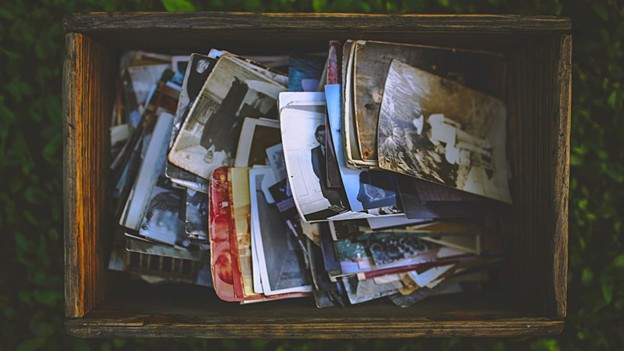
For many people, decluttering sentimental items is where progress stops. You can easily let go of old clothes or unused kitchen gadgets—but photos, keepsakes, and inherited items feel different. They carry memories, emotions, and sometimes guilt.
If you’ve ever thought “I know I don’t need this, but I can’t get rid of it,” you’re not failing. You’re human.
Decluttering sentimental items requires a different approach—one that’s slower, gentler, and rooted in intention rather than force.
First, a Reframe That Matters
You do not have to get rid of your memories to declutter your space.
Sentimental items are not clutter because they’re emotional—they become clutter only when they create stress, overwhelm, or guilt instead of comfort. Difficulty letting go doesn’t mean you’re doing minimalism wrong. It just means this category deserves patience.
Don’t Start With Sentimental Items
One of the biggest mistakes people make is starting here.
Sentimental items should come later, after you’ve built confidence by decluttering:
Trash
Duplicates
Items you don’t use
Easy, low-emotion categories
Momentum makes emotional decisions easier. There’s no rush.
Separate the Memory From the Object
Often, it’s the memory we want to keep—not the physical item.
Ask yourself:
Is it the item I love, or what it represents?
Would a photo preserve this memory just as well?
Taking pictures of sentimental items allows you to honor the memory without keeping the physical object forever—especially helpful for bulky or fragile items.
Use Containers to Create Gentle Limits
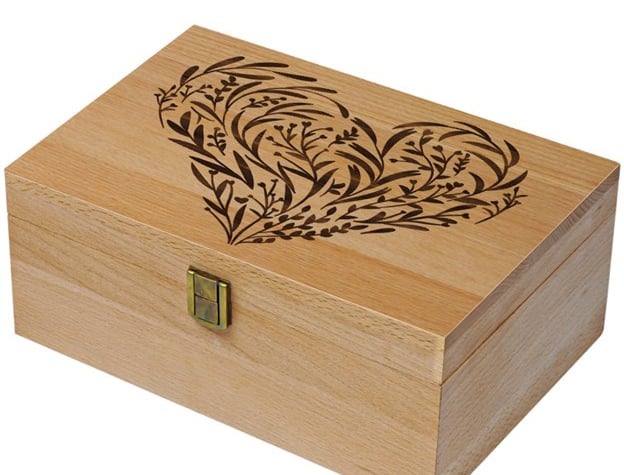
Instead of deciding item by item, use containment.
Examples:
One memory box per life stage
One bin per child
One small tote for inherited items
When the container is full, something has to go before something new comes in. Limits remove pressure and help you focus on what truly matters most.
Keep the Best, Not the Most
Sentimental value doesn’t increase with quantity.
Ask:
If I could only keep a few items from this category, which would they be?
Which items genuinely bring warmth when I see them?
Keeping fewer meaningful items makes each one more special.
Release Guilt-Based Keepsakes
Many sentimental items are kept out of obligation, not love.
These might include:
Gifts you never liked
Items tied to expectations or past roles
Things kept because “someone gave it to me”
You can appreciate the thought behind an item without keeping it forever. Gratitude does not require storage.
Try a Time-Will-Tell Box
For items you’re unsure about:
Place them in a sealed bin
Label it with a date 30–90 days in the future
Revisit only after that time passes
If you didn’t miss the items or think about them, that tells you something—without forcing a decision too soon.
Use the Display Test
Ask yourself:
Would I proudly display this?
Or is it hidden away out of guilt?
If something truly matters, it deserves visibility—not a dark box in the basement.
How Sentimental Clutter Affects Your Finances
This is where decluttering connects directly to your wallet.
Sentimental clutter can:
Take up paid storage space
Make it harder to organize what you actually use
Lead to rebuying items you already own
Increase emotional spending during stress
Letting go—slowly and intentionally—creates both physical and financial breathing room.
What to Avoid When Decluttering Sentimental Items
Try not to:
Declutter sentimental items when emotionally exhausted
Force decisions during grief
Compare your pace to others
Turn decluttering into punishment
There is no deadline for emotional clarity.
A Gentle Closing Thought
You don’t have to erase your past to make room for your future.
Keep what truly matters. Let go of what weighs you down. And trust that memories live in you—not in boxes.
Decluttering sentimental items isn’t about loss.
It’s about choosing peace.
This blog is just one piece of the journey.
On my Jen’s Clutter-Free Wallet YouTube channel, I share honest conversations and practical strategies around frugality, minimalism, and building a life with less stress and more intention.
👉 Subscribe and watch here



Jen's Clutter- Free Wallet
Contact US
© 2025. All rights reserved.